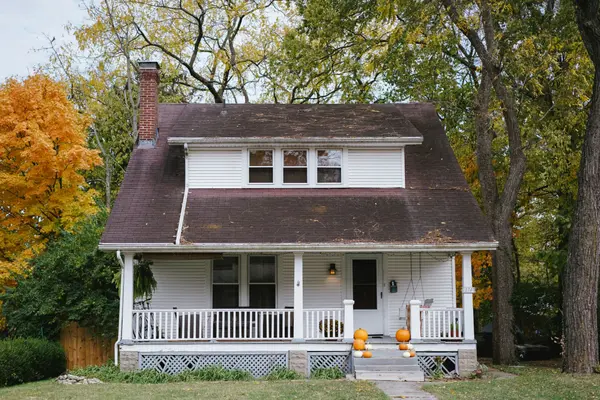
Winter Preparedness Checklist for Home: 6 Tasks to Get Ready for Chicago's Cold Season
Key takeaways
- Seal air leaks and insulate before temperatures drop to prevent heat loss and ice dams
- Protect your pipes by insulating exterior lines, sealing gaps, and letting faucets drip during extreme cold
- Schedule a heating system tune-up early and stock up on winter supplies before the seasonal rush
- Inspect your electrical system for damaged cords, overloaded outlets, and warning signs before winter demand peaks
Chicago winters are no joke – brutal wind chills, heavy snowfall, and freezing temperatures can put serious stress on your home if you're not ready. Taking a few preventative steps in the fall can help you stay ahead of common winter problems, from frozen pipes and heat loss to drainage and heating issues.
In this guide, we've gathered expert advice from local contractors and home service professionals to help you get your home winter-ready before the first freeze hits. Whether you're settling into a home in Lincoln Park or preparing your home in Evanston, these tips will help Chicago-area homeowners protect their property and stay warm all season long.
1. Seal air leaks and insulate
One of the first steps when you winterize your Chicago home is finding places where warm air can escape and cold air can enter. Drafts around windows, doors, attic access points, outlets, and utility openings can make it harder to keep your home comfortable and may increase the strain on your heating system.
In colder climates, heat escaping into the attic can also contribute to ice dams by melting snow on the roof, which can then refreeze near the gutters.
“Seal the air leaks before adding any insulation,” recommends Frank, owner of Bofran Builders. “On a windy day, hold a hand or a lit incense stick up to the outlets on your outside walls, around the attic hatch, and where pipes and wires come into the house, and seal whatever moves the smoke. The same warm air getting into the attic through the hatch and ceiling fixtures melts the snow on the roof and refreezes it into ice dams at the gutters.”
Focus on areas like:
- Exterior wall outlets: Cold air easily sneaks in behind outlet covers on outside walls; foam gaskets are a quick and inexpensive fix.
- The attic hatch: One of the most common and overlooked sources of heat loss in a home.
- Pipe and wire entry points: Anywhere utilities enter the house is a potential gap that needs to be sealed.
- Windows and door frames: Check for gaps in caulking or weatherstripping and replace anything that's worn or cracked.
- Basement rim joists: These are frequently unsealed and a major source of cold air infiltration in older Chicago homes.
>>Read on: Dealing with the Cold: Top Winter Home Improvement Projects for You
2. Protect your pipes and prep your plumbing
Frozen pipes can be an expensive fix. When water inside a pipe freezes, it expands and can create enough pressure to damage or burst the pipe.
The good news is that a few simple precautions taken before temperatures drop can protect your plumbing and help save you from a serious headache mid-winter.
“Insulate any piping on outside walls to prevent freezing and turn all faucets to a slow drip during extreme cold snaps,” says Bronson Shavitz at Shavitz Heating and Air Conditioning.
Keep these tasks in mind before the cold arrives:
- Insulate exterior wall pipes: Foam pipe insulation is inexpensive and easy to install, and it makes a big difference during extreme cold.
- Seal gaps around windows and doors near pipes: Cold air infiltration near plumbing is a leading cause of freezing.
- Let faucets drip during cold snaps: Even a slow trickle keeps water moving and relieves pressure in the line.
- Know where your main water shut-off is: If a pipe does burst, being able to act fast can limit the damage significantly.
- Keep interior temperatures consistent: Avoid drastic thermostat setbacks overnight, especially during stretches of below-zero weather.
3. Clean your gutters and prepare your home’s exterior
Your gutters and downspouts play a bigger role in winterizing your home than most homeowners realize.
Leaves and debris can prevent gutters from draining properly, while water collecting around the home can freeze and potentially worsen existing problems.
“Before the first hard freeze, clean the gutters and point the downspouts away from the house, so water doesn't get trapped in brick or framing, where it freezes, cracks the mortar and rots the wood,” shares Frank at Bofran Builders. “Then take the hoses off the outside faucets, shut off the valve inside and drain the line, or a hard freeze can burst the pipe inside the wall.”
Add these exterior tasks to your fall winterization checklist:
- Clean gutters thoroughly: Remove all leaves, debris, and buildup before the first freeze to ensure proper drainage.
- Redirect downspouts: Make sure they extend at least four to six feet away from your foundation to prevent water from pooling.
- Disconnect and store garden hoses: Leaving a hose attached can trap water in the line and cause the pipe behind the faucet to burst.
- Shut off and drain exterior faucets: Locate the interior shut-off valve for each outdoor spigot, close it, and open the exterior faucet to drain any remaining water.
- Inspect your foundation for cracks: Water that pools near the foundation and freezes can worsen existing cracks over the winter.
- Check trees and branches: Look for dead, damaged, or overhanging branches that could become a hazard during heavy snow, ice, or wind.
- Store outdoor equipment: Put away or protect patio furniture, gardening tools, sprinklers, and other seasonal equipment that could be damaged by freezing temperatures.
4. Schedule a heating system tune up
Your heating system is going to work harder than ever over the next several months, and the worst time to find out it isn't up to the task is in the middle of a Chicago cold snap. A professional tune-up before winter peaks can improve efficiency, extend the life of your system, and give you peace of mind when temperatures plunge.
Bronson Shavitz at Shavitz Heating and Air Conditioning recommends: “Schedule a professional heating system tune-up, replace air filters regularly, and close the fireplace flue damper to eliminate drafts. Finally, beat the first snowfall by stocking up on winter emergency supplies like salt and shovels before the seasonal rush.”
As you prepare for winter, remember to:
- Book your HVAC tune-up early: Chicago contractors fill up fast in the fall, so schedule your appointment in September or October.
- Replace your air filter: A fresh filter improves airflow and efficiency; check it monthly and replace every one to three months during heavy use.
- Set reminders for maintenance: Regularly checking filters and other basic HVAC maintenance can be easy to overlook once winter begins.
- Close the fireplace flue damper: If you're not actively using your fireplace, an open damper is essentially an open window letting cold air pour in.
- Have fireplaces and chimneys checked: If you plan to use a wood-burning fireplace, make sure the chimney and fireplace are in good condition before the season begins.
- Stock up on winter supplies now: Salt, ice melt, and shovels tend to sell out quickly once the first snowfall hits; get ahead of the rush.
>>See: 11 Cheapest Ways to Heat a House This Winter
5. Inspect and winter-proof your electrical system
Cold weather brings longer nights, more time indoors, and heavier reliance on heating appliances – all of which put increased demand on your home's electrical system. Before that demand peaks, it's worth taking a close look at your wiring, outlets, and devices to make sure everything is in safe working order.
The team at Sapphire Electric shares their insight on preparing for a cold winter ahead: “Before Chicago’s cold weather arrives, unplug electronics and seasonal equipment that are not being used, since many devices continue drawing standby power even when switched off. Inspect extension cords and power strips for cracked insulation, loose plugs, heat damage, or discoloration, and use only properly certified products from a recognized testing laboratory, such as UL or ETL.”
They go on to share, “Never connect one power strip to another, run extension cords beneath rugs, or use them as permanent wiring. Space heaters should plug directly into a secure wall outlet, with nothing else sharing that receptacle, because their high electrical demand can overheat damaged or overloaded connections. Homeowners should also test GFCI outlets, check outdoor receptacle covers, and have flickering lights, buzzing sounds, warm outlets, or frequently tripped breakers inspected before winter places additional demand on the electrical system.”
Work through this electrical checklist before winter:
- Unplug unused electronics and seasonal equipment: Many devices draw standby power even when off, adding unnecessary load to your system.
- Inspect all extension cords and power strips: Look for cracked insulation, discoloration, loose plugs, or signs of heat damage, and replace anything questionable.
- Use properly certified products: Look for electrical products certified by a recognized testing laboratory such as UL or ETL.
- Never daisy-chain power strips: Connecting one power strip to another is a fire hazard; if you need more outlets, have one installed by a licensed electrician.
- Use space heaters carefully: Plug space heaters directly into an appropriate wall outlet and follow the manufacturer's safety instructions.
- Test your GFCI outlets: Press the test and reset buttons on each GFCI outlet to confirm they're functioning properly.
- Check outdoor outlet covers: Make sure exterior receptacle covers are weatherproof and in good condition before rain and snow arrive.
- Call an electrician for warning signs: Flickering lights, buzzing sounds, warm outlets, or frequently tripped breakers all warrant a professional inspection before winter demand increases.
>>Discover: 27 Home Maintenance Tips: Keep Your Home in Tip-Top Condition
6. Inspect your roof, attic, and home safety systems
Your roof and attic form an important barrier between your home and winter weather. Before snow and ice arrive, look for issues that could make it easier for water or cold air to enter the home.
This is also a good time to check basic safety equipment, especially since furnaces, fireplaces, and portable heaters tend to see more use during colder months.
Add these final checks to your winterization list:
- Inspect the roof: Look for missing or damaged shingles, flashing issues, and other visible signs of wear that may need attention before snow arrives.
- Check the attic: Look for signs of moisture, air leaks, or uneven insulation, particularly near attic access points.
- Keep attic vents clear: Make sure insulation or stored items aren't blocking ventilation.
- Test smoke alarms: Confirm that alarms throughout the home are working and replace batteries when needed.
- Test carbon monoxide detectors: Make sure detectors are working properly, especially near sleeping areas and fuel-burning appliances.
- Check your fireplace and chimney: If you use a fireplace, inspect it before the first fire of the season and address any maintenance needs.
- Review emergency supplies: Make sure flashlights, batteries, blankets, medications, and other basic supplies are easy to find if winter weather causes a power outage.
>>Read: Home Maintenance Checklist
Winter preparedness checklist: Tasks before the Chicago cold hits
The best time to winterize your home is before freezing temperatures become routine. Taking care of small maintenance tasks in the fall gives you time to address potential issues before snow, ice, and extreme cold make repairs more difficult.
Start with the areas most exposed to winter conditions: seal drafts, protect plumbing, clear gutters, prepare your heating system, inspect the roof and attic, and check your electrical and safety equipment. A little preparation ahead of time can help your home stay more comfortable and better prepared throughout the winter.
Winter preparedness checklist for home: FAQs
When should you prepare your home for winter?
It's generally best to begin winterizing your home in the fall, before temperatures consistently fall below freezing. Starting early also gives you more time to schedule professional maintenance and address any repairs before winter weather arrives.
How do I know if my home has air leaks?
On a windy day, hold your hand or a lit incense stick near exterior wall outlets, the attic hatch, and anywhere pipes or wires enter the house. If you feel a draft or see the smoke move, you've found a leak that needs to be sealed before winter sets in.
How can I help keep pipes from freezing?
Insulating vulnerable pipes, sealing nearby drafts, maintaining adequate indoor temperatures, and disconnecting exterior hoses can all help. During particularly cold weather, additional precautions may be appropriate depending on your home's plumbing setup.
Should I have my HVAC system serviced before winter?
A professional heating system tune-up before the coldest part of the year can help identify maintenance or repair needs before the system is under peak demand. It's also a good time to check your air filter and make sure the system is operating as expected.
Is it worth having a professional inspect my home before winter?
Yes, it can be worth it. Scheduling tune-ups for your HVAC system and having an electrician check your panel, outlets, and wiring before winter demand peaks can catch small issues before they become expensive emergencies. Many Chicago-area contractors book up quickly in the fall, so scheduling early is always a smart move.
Categories
Recent Posts